









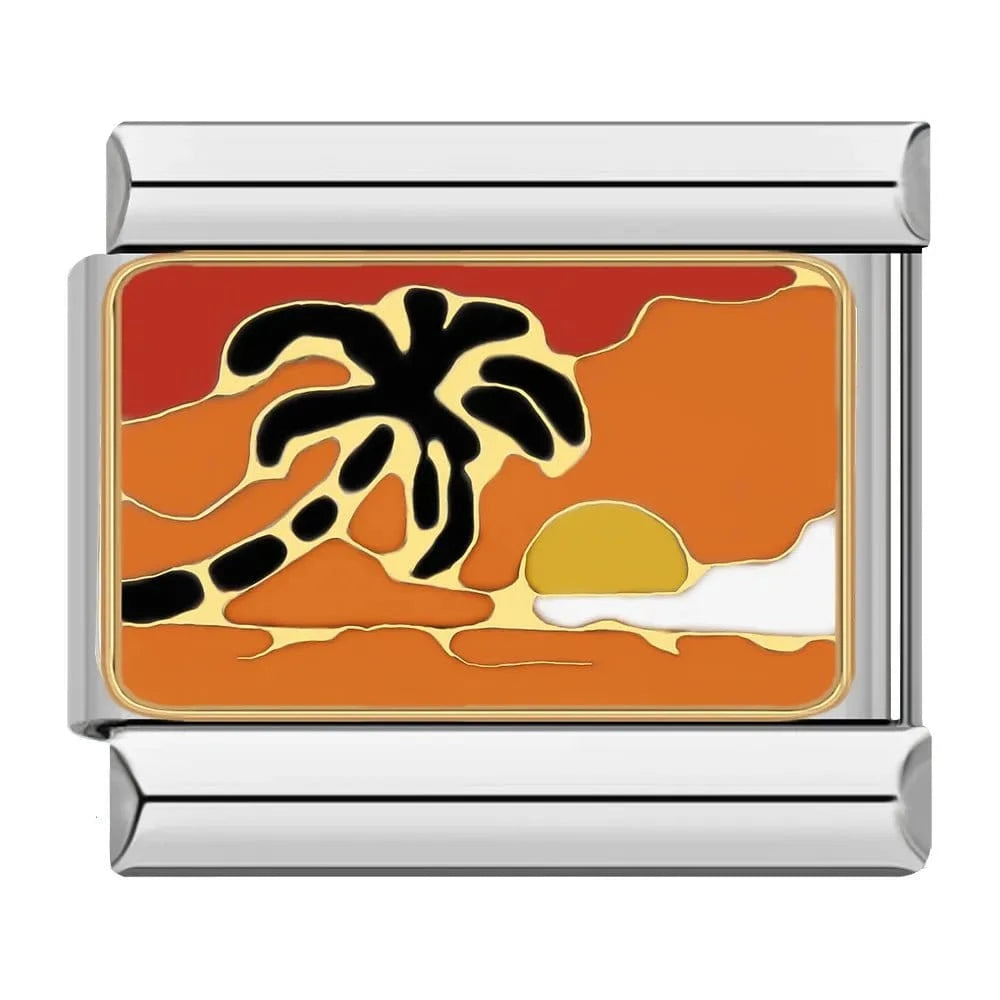
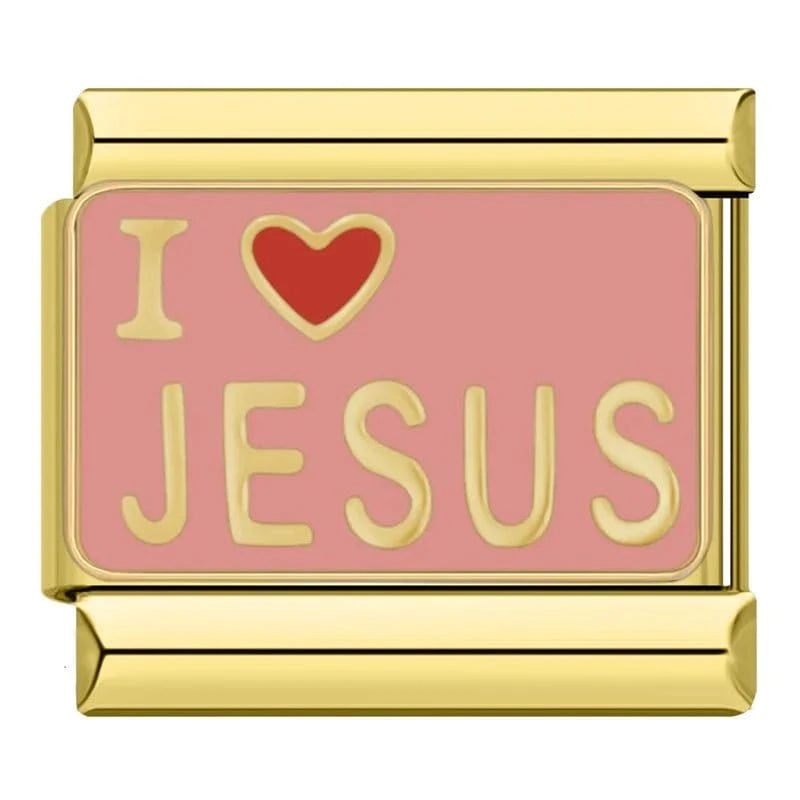

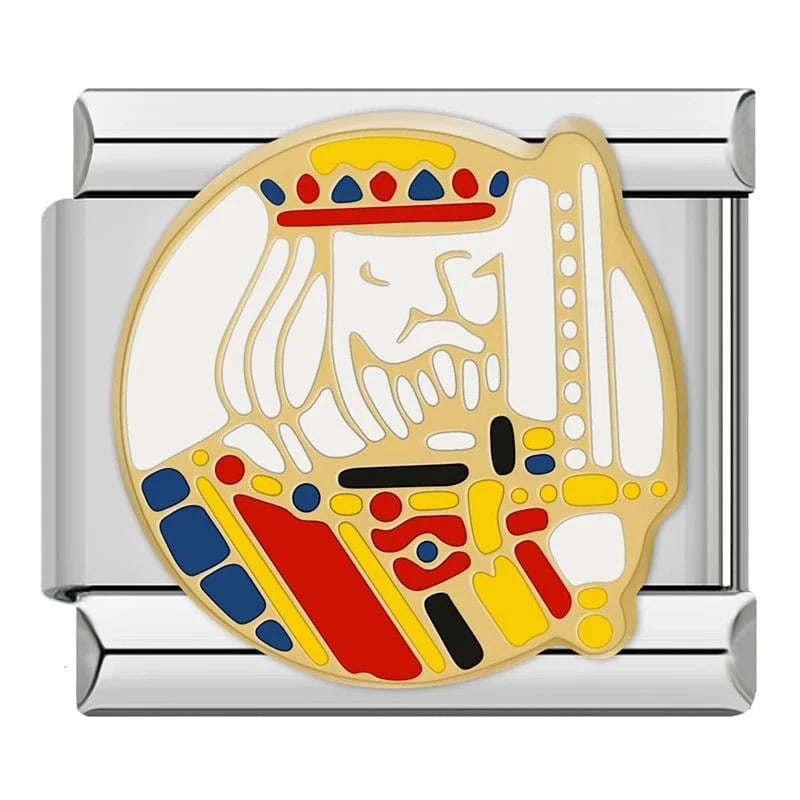




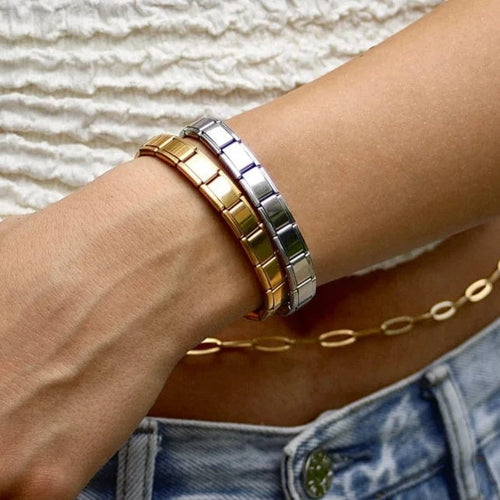




Gold or silver? For twenty years that was the very first question anyone asked before building an Italian charm bracelet — and for twenty years it was quietly the wrong one. If you are weighing a gold vs silver charm bracelet right now, here is the honest answer up front: in 2026 you don't actually have to choose. The single biggest shift in jewelry this year is that the old rule about matching your metals has been retired, and a two-tone stack — some warm gold, some cool silver, worn together on one wrist — has become the look rather than the mistake. So let's do two jobs at once: help you find the metal that feels most like you, and show you exactly how to wear the two side by side.
If you're brand new to how these bracelets go together, our complete beginner's guide to Italian charms is the place to start — then come back here to pick your palette.
Gold vs silver charm bracelet: the 2026 verdict
Ask a stylist in 2026 whether gold or silver is "in," and you'll get a knowing smile, because the question itself now reads a little dated. Fashion editors have spent the year declaring the match-your-metals rule officially over — mixing warm and cool tones on purpose is being called one of the year's defining moves, and getting too matchy is, in the words of more than one 2026 trend report, the thing that ages a look. At the same time, the price of gold has pushed a wave of shoppers toward silver, which is having a genuine moment: chunky sterling, bold cuffs and cool-toned stacks are everywhere, and search interest in silver charm styles has climbed hard through the year.
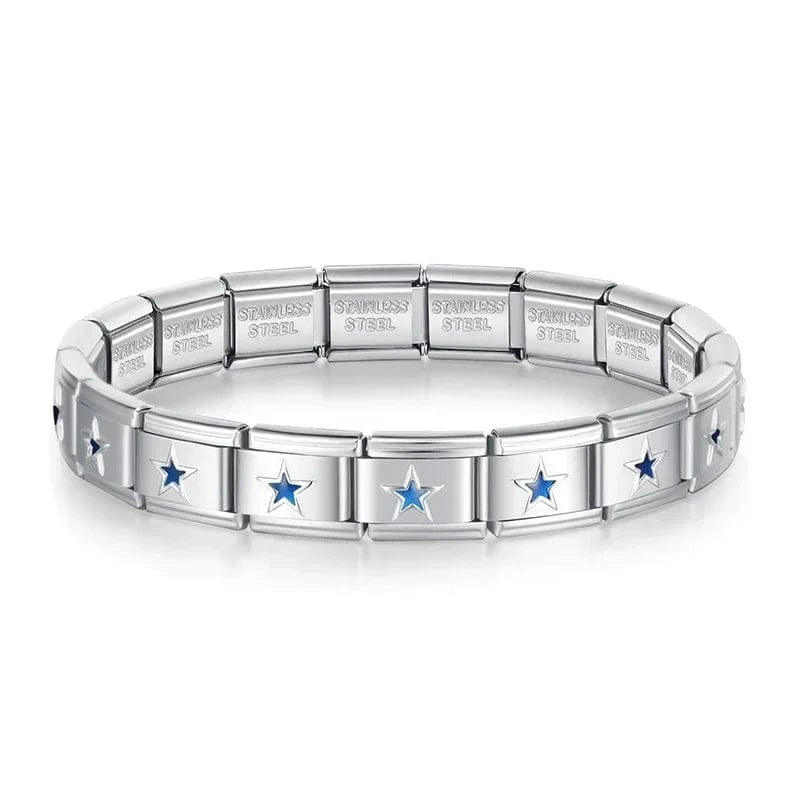
What does that mean for a modular bracelet like ours — where every 9mm link snaps on and off? It means the format was built for this trend. You are not committing to a single soldered chain; you're curating tiles. You can lean fully gold, fully silver, or run a considered two-tone line and swap the ratio whenever the mood changes. Here's the quick-glance version before we get into styling:
| Gold | Silver | |
|---|---|---|
| The vibe | Warm, celebratory, a touch heirloom | Cool, modern, easy-everyday |
| Flatters | Warm/olive undertones, tans | Cool/pink undertones, fair skin |
| Motifs that pop | Suns, blooms, hearts, birthstones | Symbols, letters, celestial, line-art |
| 2026 note | Timeless anchor; reads as "keepsake" | The rising metal; the value pick |
If you lean gold: warm, celebratory, keepsake-ish
Gold is the metal of occasions. It catches candlelight, it flatters warm and olive skin, and it carries a keepsake weight that makes it the natural choice for milestone charms — a birth month, an anniversary, the year something changed. On a modular bracelet, gold links love botanical and celebratory motifs where the warmth of the metal does half the work.


Want to commit to gold as your base? Start with an Inner Gold Bracelet as your foundation and build outward from the Gold Charms collection. Gold is also the easiest metal to keep looking rich — a quick wipe after wear is usually all it needs (our clean-and-care guide has the two-minute routine).
If you lean silver: cool, modern, and having a real moment
Silver is the metal of the everyday — and in 2026 it stopped being the "budget" option and became the cool option. Its cool tone flatters pink and fair undertones, it disappears into any outfit, and it makes crisp line-art motifs, letters and celestial symbols read sharp and graphic. It's also, frankly, the value pick while gold prices sit high, which is a big part of why silver's stack is the one you keep seeing.


Build a cool-toned line on an Inner Silver Bracelet base and pull from Silver Charms or the graphic black-and-silver Monochrome collection. One quiet tip for autumn: silver takes beautifully to a moodier, more poetic direction as the light drops — think oxidized, slightly antiqued links paired with deep burgundy or midnight-black enamel. It's a look worth bookmarking for the fall and Halloween season.
The two-tone stack: the actual 2026 move
Here's the part most guides skip. Mixing gold and silver looks intentional — not accidental — when you give it a little structure. A random gold link floating in a silver row reads like a mistake; the same link, placed with a plan, reads like styling. Four rules make it foolproof:
- Anchor with one metal. Pick a dominant tone — usually the metal you already wear most on your hands and watch. That's your base bracelet and roughly two-thirds of your links.
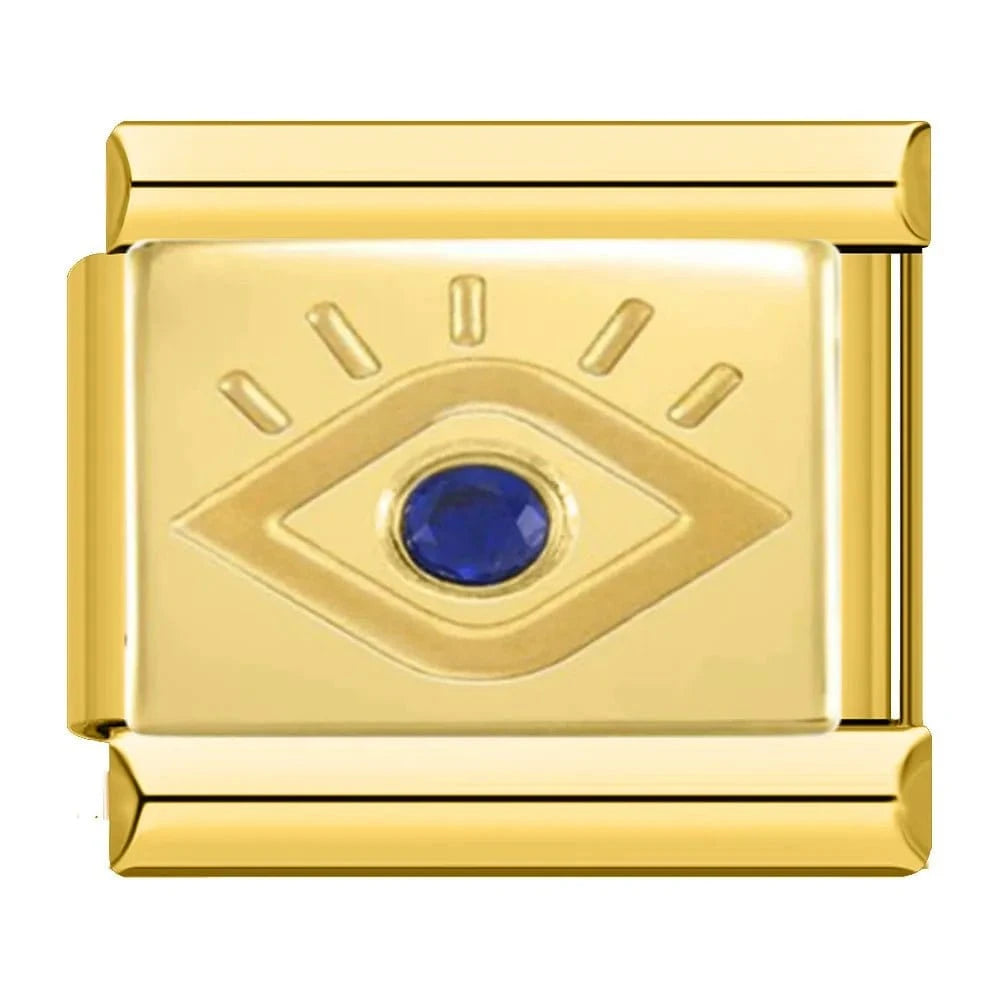
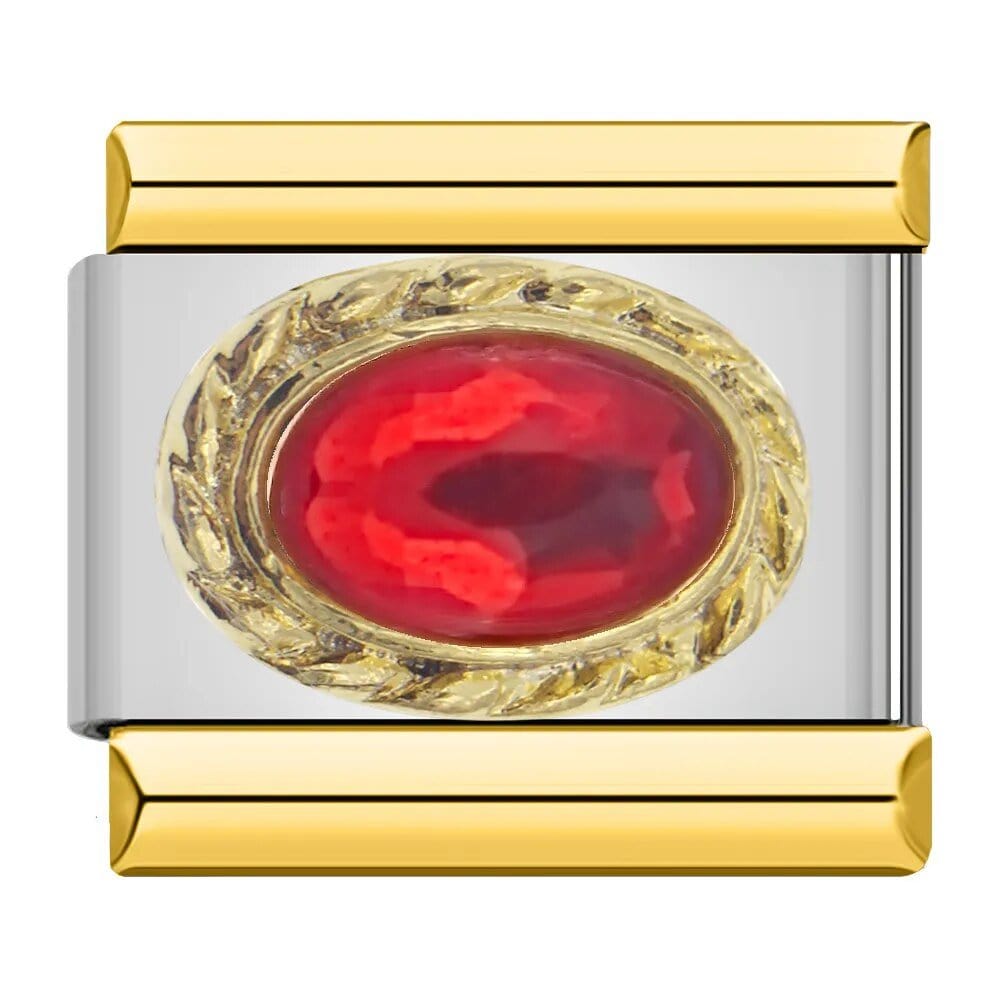
- Let one piece bridge the two. A charm that already contains both tones — a gold motif on a silver plate, or a birthstone framed in gold — acts as a visual "handshake" so the mix looks designed.
- Repeat the second metal at least twice. One lonely accent looks lost. Two or three evenly spaced accents of the second tone turn it into a rhythm. Think in threes.
- Keep one story running through it. Mismatched metals held together by a single theme — florals, initials, a travel diary — always look curated. The theme is the thread; the metals are just texture.
Stylist tip — the bridge tile. If you only buy one charm to start mixing, make it a two-tone one. A single link that carries both gold and silver does all the "permission-granting" for you: suddenly every other gold and every other silver link on the wrist looks like it belongs. It's the cheapest way to unlock the whole two-tone trend.
Because our links are modular, you can trial the ratio with zero commitment — snap two silver links onto a mostly-gold bracelet on a Monday, reverse it by Friday. If you want the mechanics of adding, removing and sizing links, our how-they-work explainer and 9mm vs 13mm sizing guide cover it, and you can assemble the whole thing yourself in Customize Your Bracelet.
So… which should you actually buy first?
If you genuinely want just one metal to start, here's the decisive read: choose silver if you want the most versatile, on-trend and best-value first bracelet in 2026 — it goes with everything and it's the metal of the moment. Choose gold if your wardrobe and skin run warm, or if this first bracelet is really a keepsake for a milestone. And if you're even slightly tempted by the two-tone look? Start with a base in whichever metal you wear most, add one two-tone bridge charm, and let the collection grow both ways over time. That's not a compromise — it's the 2026 bracelet.
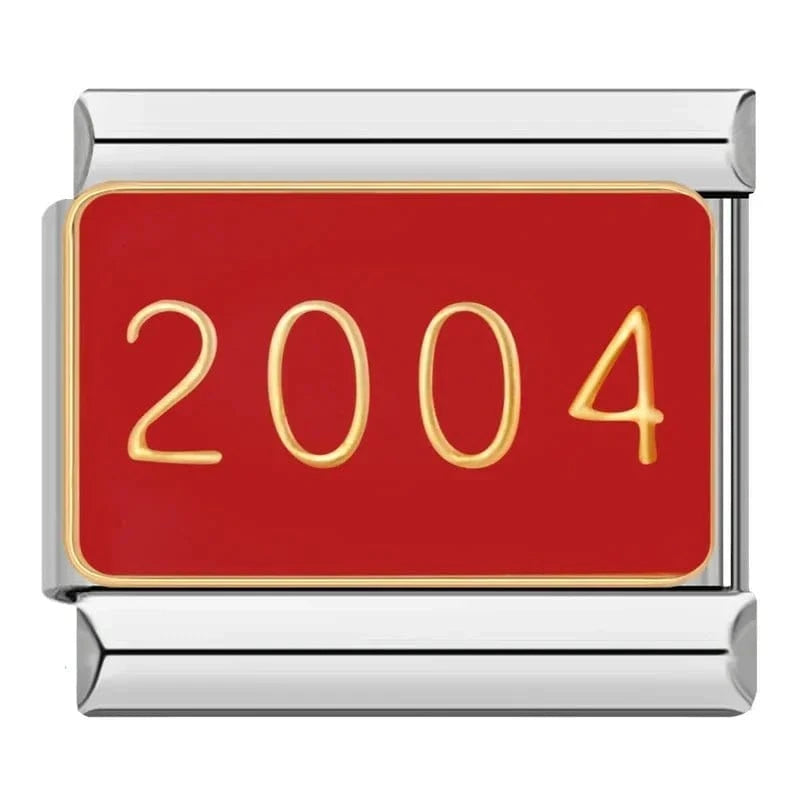
Not sure where to begin building? A few of our favorite starting points: pick out an initial charm in your chosen metal, add a birth-year or special-date link, then browse 50 combination ideas for inspiration.
Start your bracelet
Quick answers
Can you mix gold and silver on one Italian charm bracelet?
Absolutely — and in 2026 it's the look, not the faux pas. Anchor with one metal, add a two-tone "bridge" link, and repeat the second metal two or three times so it reads as rhythm rather than a stray.
Does gold or silver tarnish faster?
Silver can dull or develop a patina over time (some people love that antiqued, moody look); gold tends to stay bright longer. Both keep their shine with a quick wipe after wear — the same two-minute routine in our care guide.
Which metal is more popular right now?
Silver is surging in 2026 — driven partly by style and partly by high gold prices — but gold remains the go-to for keepsake and milestone charms. The fastest-growing choice of all is wearing both.
New here? Begin with What Are Italian Charms? for the full rundown, then come build your first bracelet in gold, silver — or both.